

2025-26 Galapagos Annual K-12 Parent Survey
Understanding What Parents Value
Michigan parents are telling us something important.
They are not simply choosing schools based on test scores, programs, or convenience. They are looking for something deeper: safety, trust, strong communication, quality teachers, and confidence that their child is known, supported, and cared for.
The 2025–26 K-12 Parent Survey across Michigan reveals important trends that can guide district strategies for engagement, enrollment, communication, and culture. For superintendents, the message is both simple and urgent: families are paying attention, and the experience they have with your district matters.
Here’s what school leaders need to know and what they can act on now.
Key Insight #1: Bullying Still Tops the List
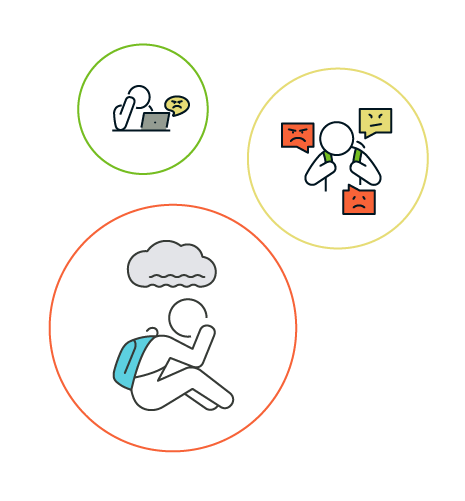
Bullying remains the top parent concern for the fourth consecutive year.
Of all parents surveyed, 67% reported at least one concern during the school year. This is in line with 2022–23 levels and slightly above last year’s results.
Top concerns in rank order:
Bullying
Safety & Security
Mental Health
Social/emotional issues fell out of the top five for the first time since 2022, but the larger message remains clear: parents want schools where students are physically safe, emotionally supported, and protected from harm.
For superintendents, this is not just a student conduct issue. It is a trust issue.
Families need to see that bullying prevention is more than a policy in a handbook. They need to know that expectations are taught, concerns are taken seriously, communication is timely, and adults are consistently present and responsive.
We recommend making your bullying prevention and school safety visible, clear, and consistent. Tell families what you are doing, how you are responding, and how students are being supported.
Key Insight #2: Communication and Teacher Quality Drive Parent Confidence

Parents continue to place tremendous value on Parent-Teacher Communication and Quality Teachers.
This should not surprise superintendents. Families want to know who is teaching their child, whether their child is progressing, and whether someone at school truly sees them.
Communication is not just information sharing. It is relationship building.
Our data reiterates what strong school leaders already know: regular, transparent, and human communication is critical to serving communities well. Parents do not need perfect schools. They need responsive schools. They need schools that communicate before confusion becomes frustration and before frustration becomes distrust.
Teacher quality also remains one of the most powerful drivers of parent confidence. Families notice great teaching. They notice when teachers care. They notice when classrooms are organized, supportive, engaging, and academically strong.
Galapagos recommends elevating your teachers publicly and often. Use newsletters, social media, board updates, and parent engagement efforts to tell the story of excellent teaching happening across your district.
Key Insight #3: Income and School Experience Are Connected

One of the most important findings in the survey is the relationship between income and families’ school experience.
Higher-income families reported a much stronger Net Promoter Score (NPS) than lower-income families: 55 NPS compared to 7 NPS. That gap should get every superintendent’s attention.
The data suggests that families may be experiencing the same school system very differently.
That does not mean districts are intentionally serving families differently. But it does mean leaders should ask a hard and important question: Which families feel most connected to our schools, and which families may feel least heard, least confident, or least supported?
This matters because experience shapes trust. Trust shapes retention. And retention shapes the long-term health of a district.
Our annual survey also suggests a relationship between school type and movement patterns. Among families who switched schools but did not move out of the area, movement from public schools to homeschool, virtual, or charter options was notable.
For superintendents, the implication is clear: enrollment work cannot begin after a family leaves. It must begin with understanding the family experience before they start looking elsewhere.
We recommend school leaders closely monitor family experience data by subgroup. Use NPS, surveys, listening sessions, and building-level feedback to identify families who may be at greater risk of disengaging or leaving.
Key Insight #4: Parents Are Researching You Before They Call You

Families are doing their homework.
When choosing schools, parents reported relying heavily on:
District and school websites
Advice from family and friends
Online search
School tours
Social media
This matters because a family’s first impression of your district may not happen at your front desk. It may happen on your website. It may happen through a Google search. It may happen in a Facebook comment thread. It may happen in a conversation at a youth sporting event, church lobby, workplace, or neighborhood gathering.
Your district’s story is being told whether you are leading that story or not.
That does not mean every district needs a flashy marketing campaign. But it does mean every district needs clear, accessible, parent-centered communication about who they are, what they value, and why families should trust them.
We suggest school leaders review their website and online presence through the eyes of a new parent. Can families quickly find what matters most? Is your message clear? Are you telling the story of safety, belonging, excellent teaching, and student success?
Key Insight #5: Trust Is High, But Trust Must Be Protected

One of the most encouraging findings is that 96% of parents feel their child’s school has their child’s best interest in mind all or some of the time.
That is a strong foundation.
Parent satisfaction with school performance, reputation, and communication also remains strong. This is good news for education and good news for school leaders who are working hard every day to serve students and families well.
But trust is never something districts can put on autopilot.
Trust is built in small moments: the returned phone call, the teacher email, the principal follow-up, the clear explanation, the visible response, the honest update, the way a concern is handled when emotions are high.
Superintendents know this better than anyone. Families often judge the entire system by the way one moment is handled.
Superintendents, your time is precious and we’d argue well spent in staying close to the parent experience. Celebrate what is working, but keep listening. Strong trust today does not eliminate the need for consistent communication tomorrow.
Closing Takeaway
Parent perspectives provide a roadmap for school superintendents.
The message is clear: focus on safety, communication, teacher quality, trust, and the lived experience of families.
The districts that thrive will not be the ones that simply collect data. They will be the ones that use data to listen better, communicate more clearly, strengthen relationships, and respond before families feel disconnected.
For superintendents, this work does not need to be complicated.
Start with four simple questions:
Do families feel safe sending their children to our schools?
Do families feel informed and connected?
Do families see and understand the quality of teaching in our classrooms?
Do families believe we have their child’s best interest in mind?
If the answer to those questions is yes, families are more likely to stay, advocate, and believe in the future of your district.
That is the work.
And it matters.
At Galapagos, we help districts rise to that challenge. With every survey, we gain deeper insight into what matters to families and how schools can adapt, evolve, and thrive.
Click here to get access to the full 2025-26 Galapagos Parent Survey Report